How I work
My
Approach
I specialise in rapidly converting unclear problems into validated solutions. Rather than spending months planning, I focus on building, testing and learning as quickly as possible.
01 — Start
Begin with a first proposal.
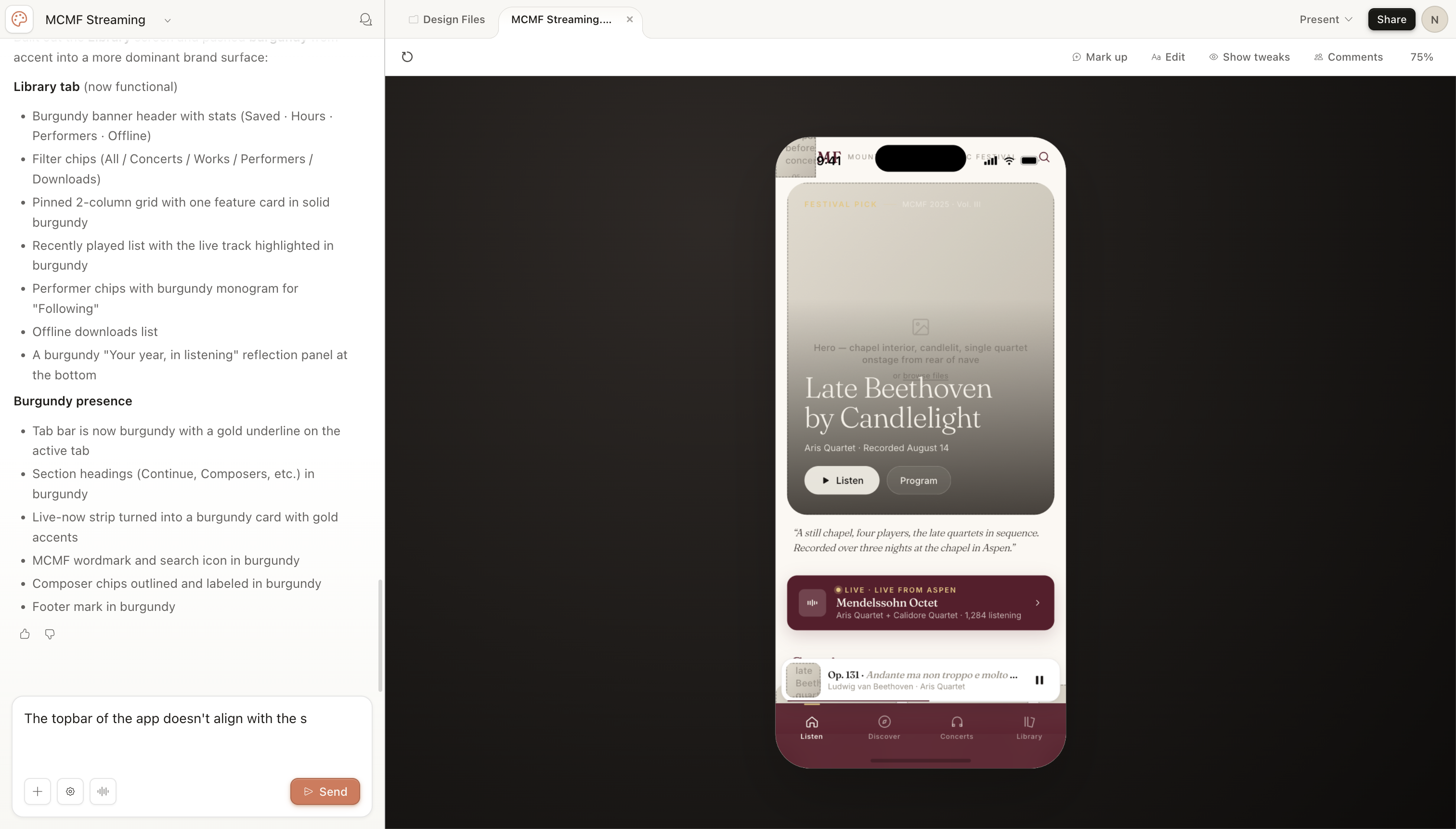
Every project starts with making the problem tangible. I quickly create three concepts, sketches, mockups or prototypes to facilitate discussion and expose assumptions. Making something visible breaks the blank-page problem and forces real decisions.
Sketch
Rough concept
Mockup
Visual structure
Prototype
Working solution
Idea
MVP
User
feedback
Iterate
Launch
02 — Build
Build the smallest usable version.
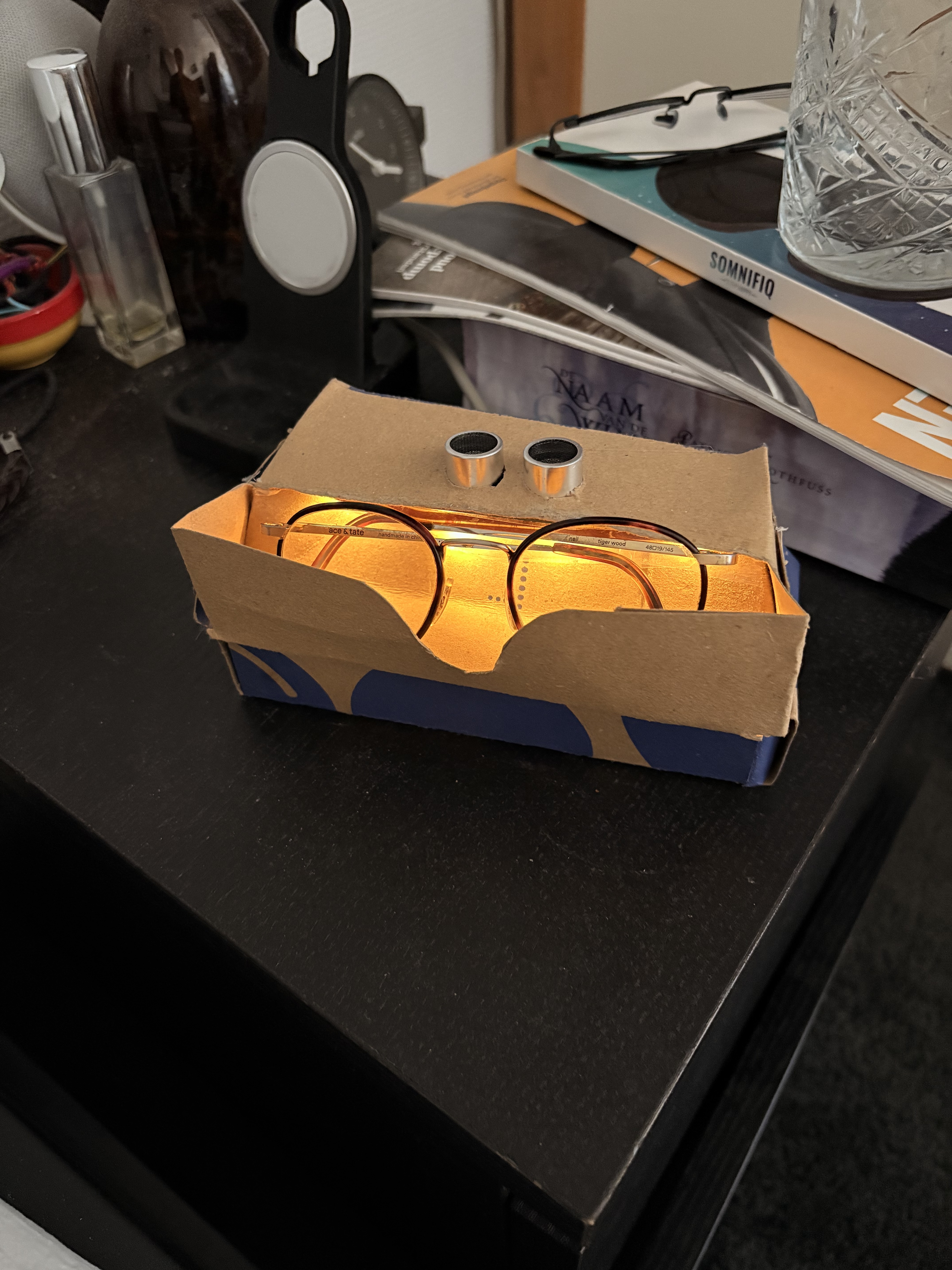
Rather than designing everything upfront, I focus on building a testable MVP that generates learning moments as quickly as possible. Every unvalidated feature is a guess. The MVP is the cheapest way to find out whether the guess is worth making.
03 — Iterate
Iterate based on feedback.
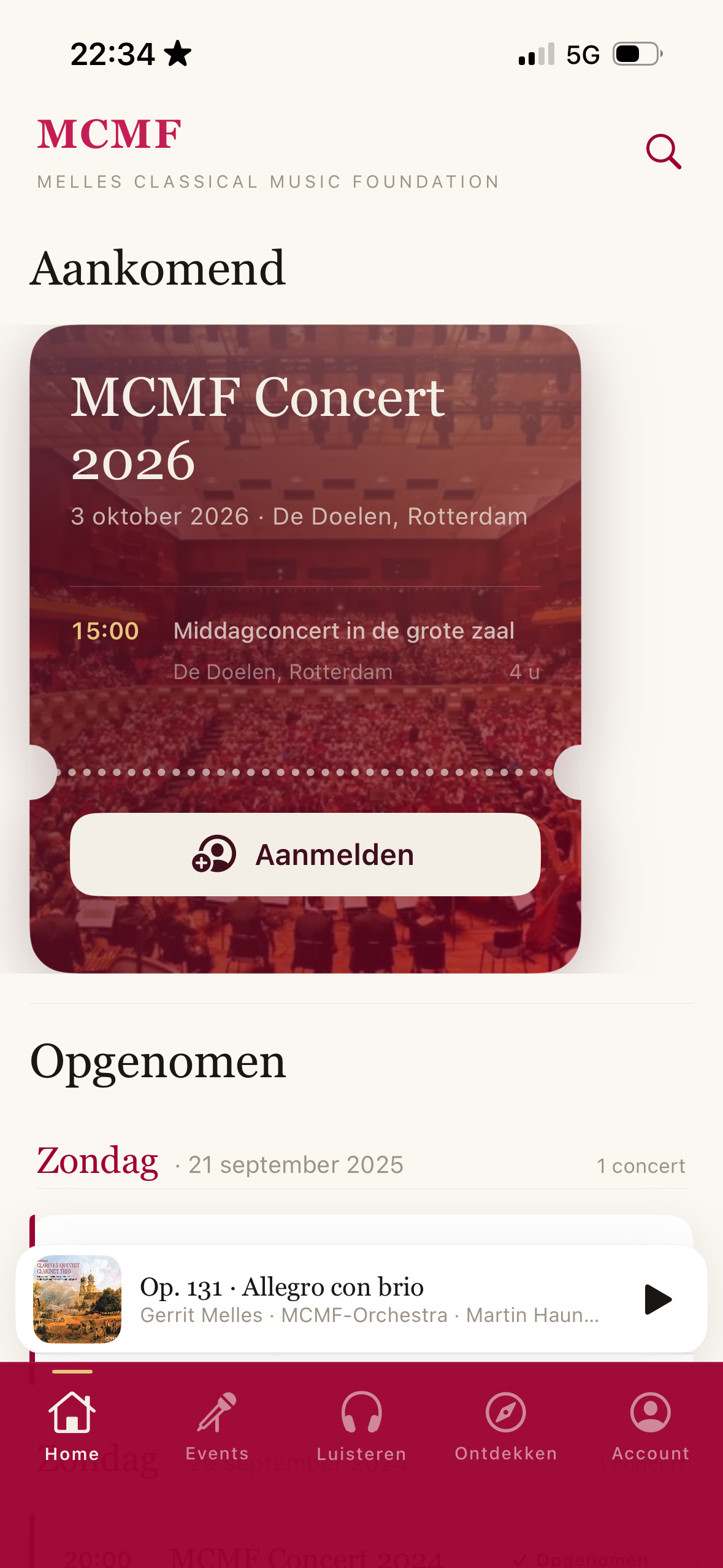
Real learning happens when concepts meet reality. User feedback, stakeholder input and technical constraints steer the next iteration. The goal is not to be right the first time — but to be wrong less quickly.
Users
Prototype
Stakeholders
04 — Accelerate
Use AI to accelerate exploration.
AI is deployed as a thinking partner, engineering assistant and research accelerator. It enables rapid exploration of unfamiliar domains and speeds up the transition from concept to implementation — in hours what would otherwise take weeks.
05 — Learn
Learn what is needed.
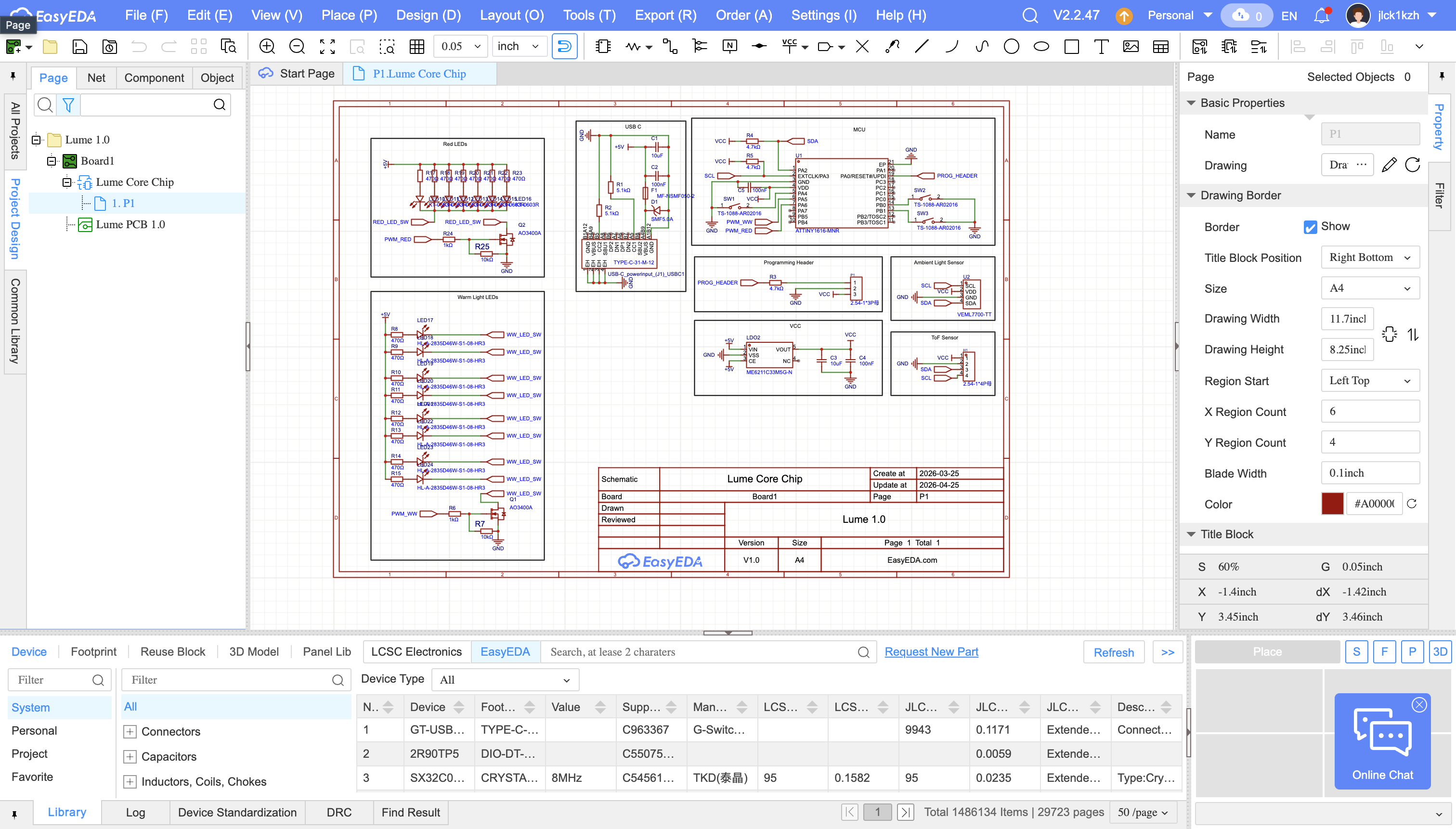
When projects require new expertise, I learn the necessary skills on demand. The goal is not expertise for its own sake, but solving meaningful problems. Each project expands what becomes possible in the next.
06 — Document
Document and share insights.
Every iteration generates knowledge. Capturing decisions, failures and discoveries helps improve future projects and make better decisions. What is documented becomes reusable. What is shared becomes leverage.
Build fast.
Learn fast.
Continuously improve.
The goal is not to create perfect plans. The goal is to reduce uncertainty through rapid experiments and evidence-based decision making.